

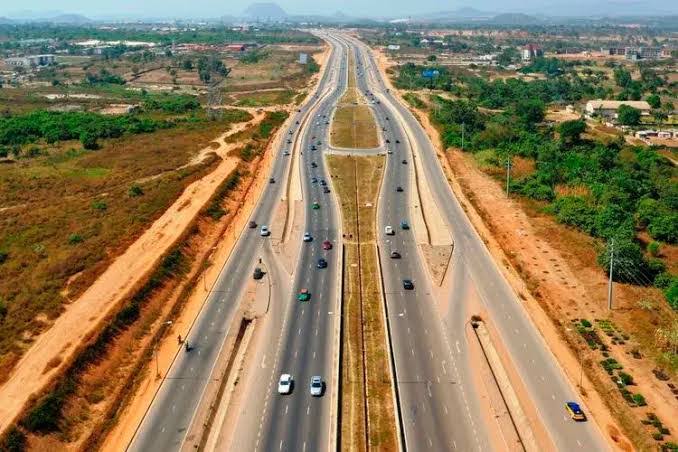
Residents of Ndiebor Ishieke in Ebonyi State want the Works Minister's directive on borrow-pit operations along the ongoing superhighway enforced, citing concerns about landowner consent, farmland damage, and compensation.
Key facts and metrics
Project: Calabar–Ebonyi–Enugu–Benue–Nasarawa–Abuja Superhighway.
Location: Ndiebor Ishieke Autonomous Community, Ebonyi Local Government Area, Ebonyi State.
Issue: Borrow-pit excavation and protection of landowners' interests.
Government authority: Federal Ministry of Works.
Contractor: Not identified in the report reviewed.
Project value and completion date: Not established by the source reviewed.
Latest development: Community leaders issued a call for strict compliance, transparent assessment of alleged damage and compensation for verified losses.
What happened?
In a report dated 21 October, Vanguard said community representatives called for the Minister of Works to enforce the directive before further borrow-pit operations. Their concerns included landowners' consent, consultation with host communities, protection of agricultural land and economic crops, and appropriate compensation where damage is verified.
The community expressed support for the road's potential economic benefits while arguing that construction should not undermine local livelihoods.
Why it matters
Borrow pits supply earth materials used in road embankments and other earthworks. Their location, excavation method, land access and rehabilitation can affect construction costs, environmental compliance and relationships between contractors and host communities.
The immediate editorial issue is not whether the allegations have been proven. It is whether the relevant authorities can document the directive, identify affected landowners and demonstrate how excavation, damage assessment and compensation are being managed.
Contractor/developer signal
Verify land access and consent records before excavation.
Maintain records of affected farmland, crop assessments, complaints and compensation.
Establish a documented grievance channel involving the contractor, project supervisors and community representatives.
These are practical risk-management recommendations, not claims about the contractor's current compliance.
Sources
Primary reporting: Vanguard, 21 October 2026.
Government context: Federal Ministry of Works.
Related Nomarc coverage: Browse Nomarc Newsfeed.