
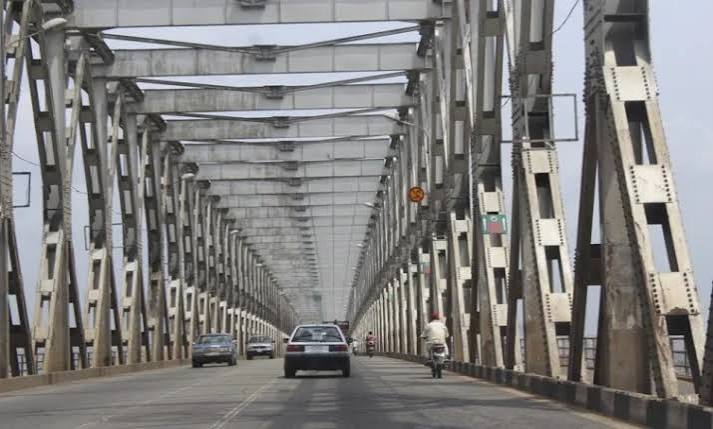
The First Niger Bridge linking Onitsha and Asaba is approaching the end of a two-week emergency rehabilitation programme, with the bridge scheduled to reopen on 21 September 2026.
The numbers and scope
→ 7–21 September: Full closure for emergency maintenance.
→ 40mm: Approximate thickness of the new asphalt wearing course being installed after deteriorated asphalt is removed.
→ Bridge components: Works address damaged expansion-joint steelwork and missing/damaged steel-truss nuts and bolts.
→ Smart infrastructure: The intervention includes solar-powered streetlights and CCTV cameras.
→ Contractor: SKECC, which is handling the Km 0+000–Km 20+000 section of the Onitsha–Enugu Dual Carriageway, was directed to execute the emergency works.
→ Traffic diversion: Vehicles are being redirected through the Second Niger Bridge via Obosi towards Asaba.
Why contractors and infrastructure operators should pay attention
This is more than a resurfacing exercise.
The rehabilitation combines structural maintenance with asset surveillance and security infrastructure, following concerns around damage and vandalism of bridge components.
For contractors, this points to a broader project-delivery consideration: infrastructure rehabilitation scopes can increasingly extend beyond civil works to include CCTV, solar power, monitoring and asset-protection systems.
For infrastructure owners and operators, integrating these systems during rehabilitation could support better asset security, operational visibility and long-term maintenance management.
Source: Federal Ministry of Works; PUNCH; Nairametrics.
Follow Nomarc Projects for verified developments across Nigeria's construction, infrastructure, engineering and real estate sectors.
#NomarcProjects #ConstructionNigeria #InfrastructureNigeria #FirstNigerBridge #ConstructionIndustry #Engineering #ConTech #InfrastructureDevelopment