



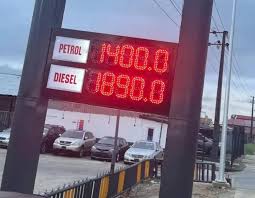
Diesel prices above ₦2,000 per litre are adding fresh cost pressure to equipment-intensive construction projects as contractors contend with higher site operations, haulage and power-generation expenses.
The price of diesel has moved above ₦2,000 per litre in Nigeria, according to a September 21 report by Reuters, introducing another cost variable for contractors and businesses operating diesel-dependent equipment and power systems.
Reuters also reported petrol prices at approximately ₦1,400 per litre in Lagos and Abuja, with prices higher in some northern markets. Dangote Refinery's wholesale petrol price had risen to approximately ₦1,350 per litre, reflecting higher crude oil costs.
The refinery is currently operating at approximately 700,000 barrels per day, according to the report.
While the immediate impact is being felt across the broader economy, diesel pricing is particularly relevant to Nigeria's construction sector because of the industry's dependence on fuel for heavy equipment, generators, haulage and site logistics.
Why Diesel Prices Matter to Construction
Diesel is not simply a transport expense for contractors.
It is embedded in multiple stages of project execution.
Diesel → Heavy equipment → Material movement → Haulage → Site power → Project cost
Excavators, bulldozers, graders, compactors, cranes and other construction equipment can consume significant quantities of diesel during intensive operations. Contractors may also rely on diesel-powered generators where grid electricity is unavailable or unreliable.
An increase in diesel prices can therefore affect several cost centres simultaneously.
For projects involving extensive earthworks, road construction, quarrying, concrete production or long-distance material transportation, the exposure can be particularly significant.
What It Means for Contractors
Contractors operating under fixed-price contracts face a direct commercial challenge when fuel costs increase after contract pricing has been established.
Higher diesel prices can raise:
Equipment operating costs
Material haulage costs
Generator expenses
Site establishment costs
Asphalt and concrete production costs
Staff and equipment mobilisation costs
Cost of moving aggregates and other materials
The result is potential pressure on project margins where contracts do not provide sufficient mechanisms for cost adjustment.
For contractors preparing new bids, fuel assumptions should therefore form part of the project's cost-to-complete and working-capital calculations, rather than being treated simply as an overhead.
What It Means for Road and Civil Engineering Projects
Road construction could be particularly exposed because projects typically involve substantial quantities of earthmoving, aggregate transportation, compaction and equipment-intensive operations.
A sustained increase in diesel prices can affect the economics of activities such as:
Site clearing → excavation → grading → material haulage → compaction → paving
For large highway projects, even relatively small changes in the cost of each equipment-intensive activity can accumulate across the project's total construction cost.
Contractors and project owners should therefore monitor fuel prices alongside other major inputs such as cement, steel, bitumen and aggregates.
What It Means for Developers
Developers are also exposed, although the effect may be less direct.
Higher diesel costs can increase the cost of:
Moving construction materials to site
Operating generators
Running construction equipment
Transporting workers and materials
Maintaining temporary site infrastructure
For developments already under construction, higher operating costs can place additional pressure on project budgets.
For projects still at the planning or procurement stage, fuel-price assumptions can influence construction-cost estimates and contractor quotations.
What It Means for Suppliers and Logistics Operators
The impact extends beyond the construction site.
Material suppliers and haulage operators that depend on diesel-powered trucks face higher operating costs when fuel prices rise.
Those costs can eventually feed into delivered prices for cement, aggregates, steel and other construction materials, particularly where transportation represents a significant share of the final cost.
This makes diesel pricing an important upstream indicator for construction-material pricing.
The Construction Cost Chain
The potential transmission mechanism is straightforward:
Higher diesel prices
↓
Higher equipment and haulage costs
↓
Higher delivered material costs
↓
Higher project execution costs
↓
Greater pressure on contractor margins and project budgets
The extent of the impact will vary by project type, location, equipment efficiency, haul distances, contract structure and the ability of contractors to pass additional costs through to clients.
What Construction Industry Players Should Watch
Fuel prices: How long does diesel remain above ₦2,000/L?
Equipment utilisation: Are contractors reducing equipment operating hours because of higher fuel costs?
Material prices: Do higher transportation costs begin feeding into aggregate, cement, steel, and other delivered material prices?
Tender pricing: Are contractors incorporating higher fuel assumptions into new bids?
Contract mechanisms: Do existing contracts provide adequate provisions for significant input-cost changes?
Project budgets: Are developers and government project owners revising cost-to-complete estimates?
Alternative energy: Does sustained diesel pricing accelerate adoption of solar, battery storage and other power alternatives for construction sites and completed developments?
The Bottom Line
Diesel moving above ₦2,000 per litre is significant for Nigeria's construction industry because fuel is embedded across the project-delivery chain.
For contractors, the immediate concern is margin and cost-to-complete exposure. For developers, it is construction-budget pressure. For suppliers and logistics operators, it is the potential increase in the cost of moving materials to site.
The key issue for the industry is therefore not simply the current pump price, but how long elevated diesel costs persist and how much of the increase is ultimately transmitted through construction contracts, material prices and project budgets.
Source: Reuters, September 21, 2026; Dangote Refinery market disclosures.
#DieselNigeria #ConstructionNigeria #NigeriaInfrastructure #ConstructionCosts #RoadConstruction #CivilEngineering #ContractorsNigeria #BuildingMaterials #ConstructionFinance #ProjectManagement #BuiltEnvironment #NomarcProjects