


Contractors are facing delayed government payments, high borrowing costs, and rising input prices as the Federation of Construction Industry warns of mounting pressure across Nigeria's construction sector.
The Federation of Construction Industry (FOCI) has warned that delayed government payments, limited cash releases for infrastructure projects and elevated financing costs are putting significant pressure on construction activity in Nigeria.
Speaking at its 70th Annual General Meeting, FOCI said construction activity among its members had slowed considerably, with contractors facing delayed payments for certified work, accumulated debts and suspended or terminated projects.
The federation attributed part of the problem to a gap between budgetary allocations and actual cash releases, arguing that approved infrastructure spending does not necessarily translate into timely payments to contractors.
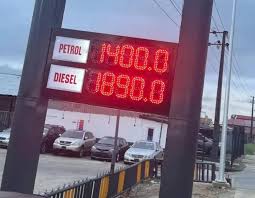
According to FOCI, contractors are also contending with bank lending rates ranging from about 20% to 46%, along with higher prices for cement, steel, bitumen, diesel, equipment, and spare parts.
FOCI also cited reports indicating that approximately 1,000 senior workers and 40,000 junior workers had lost their jobs during the period under review.
Why Contractor Cash Flow Has Become a Construction-Market Issue
For contractors executing government-funded infrastructure projects, delayed payment can create a financing gap between the cost of performing certified work and the point at which payment is received.
That gap becomes more expensive when contractors rely on commercial borrowing to maintain payroll, purchase materials, operate equipment and finance subcontractors.
The result is a construction-sector risk that extends beyond the balance sheet of the main contractor.
A delayed payment can move through the construction supply chain:
Government payment delay → contractor cash-flow pressure → delayed subcontractor payments → supplier exposure → equipment financing pressure → potential project slowdown
For an industry that depends on multiple layers of suppliers and subcontractors, payment speed and predictability can therefore affect project continuity.
What It Means for Contractors
The combination of delayed certified-payment cycles and high borrowing costs increases the amount of working capital contractors may need to keep projects moving.
For contractors bidding for new infrastructure work, the headline contract value may therefore tell only part of the commercial story.
Key issues to assess include:
Expected payment cycle
Mobilisation funding
Cost of working-capital financing
Exposure to material-price movements
Retention and certification periods
Subcontractor payment obligations
Equipment financing costs
Potential delays between certification and cash receipt
A contractor operating on a fixed-price contract can face additional margin pressure if input prices rise while payment is delayed.
What It Means for Suppliers and Subcontractors
The pressure described by FOCI can also extend down the construction supply chain.
Material suppliers, equipment owners and subcontractors may face longer receivable periods when the principal contractor is waiting for payment.
For suppliers extending credit to contractors, customer payment capacity and project funding structure become important commercial considerations alongside the volume of business available.
This makes payment history, project financing and contractor liquidity increasingly relevant when assessing large infrastructure orders.
What It Means for Developers and Infrastructure Investors
Although FOCI's concerns centre largely on construction contractors and government-funded projects, the underlying financing conditions are relevant to the wider built environment.
Higher financing costs can increase the cost of delivering construction projects, while delays can push completion dates and defer revenue generation for projects that depend on timely delivery.
For developers and infrastructure investors, the issue reinforces the importance of assessing construction-financing risk alongside land, demand, procurement and development costs.
Projects with long construction periods may be particularly sensitive to changes in financing costs and material prices.
The Numbers to Watch
FOCI's warning makes several indicators particularly relevant to the construction market:
20%–46%
Reported range of bank lending rates cited by FOCI.
~41,000 workers
Approximate number of senior and junior workers whose reported job losses were cited by FOCI.
Cement, steel, bitumen and diesel
Among the major construction inputs identified as cost pressures.
Government cash releases
A critical variable determining how quickly contractors can convert certified work into cash.
What Construction Industry Players Should Watch Next
The immediate question is whether government infrastructure allocations translate into actual project cash flow and contractor payments.
Nomarc will be watching:
→ Cash releases: Are budgeted infrastructure funds being released at a pace consistent with project execution?
→ Payment cycles: How long are contractors waiting between certification and payment?
→ Project continuity: Are delayed payments resulting in suspensions, slower execution or contract terminations?
→ Financing costs: How are elevated lending rates affecting contractors' working-capital requirements?
→ Supply-chain exposure: Are suppliers and subcontractors experiencing longer payment cycles?
→ Project pricing: Are new tenders adequately accounting for financing and input-cost risks?
The Bottom Line
FOCI's warning puts project cash flow at the centre of Nigeria's construction-sector outlook.
The issue is not simply whether government has allocated money for infrastructure. For contractors, suppliers and other participants in the delivery chain, the more consequential question is when that money becomes available to fund actual project execution.
If payment delays persist alongside high financing and input costs, the pressure can extend beyond individual contractors into project schedules, subcontractor liquidity, material supply and employment across the construction value chain.
For developers, contractors, suppliers and infrastructure investors, payment-cycle risk and working-capital requirements should therefore remain key variables when assessing new projects and construction opportunities.
Source
Federation of Construction Industry (FOCI), 70th Annual General Meeting; THISDAY; Federal Capital Territory Radio/Capital FM.
#ConstructionNigeria #NigeriaInfrastructure #FOCI #ConstructionIndustry #InfrastructureDevelopment #CivilEngineering #ContractorsNigeria #ConstructionFinance #BuiltEnvironment #ProjectFinance #ConstructionEconomy #NomarcProjects