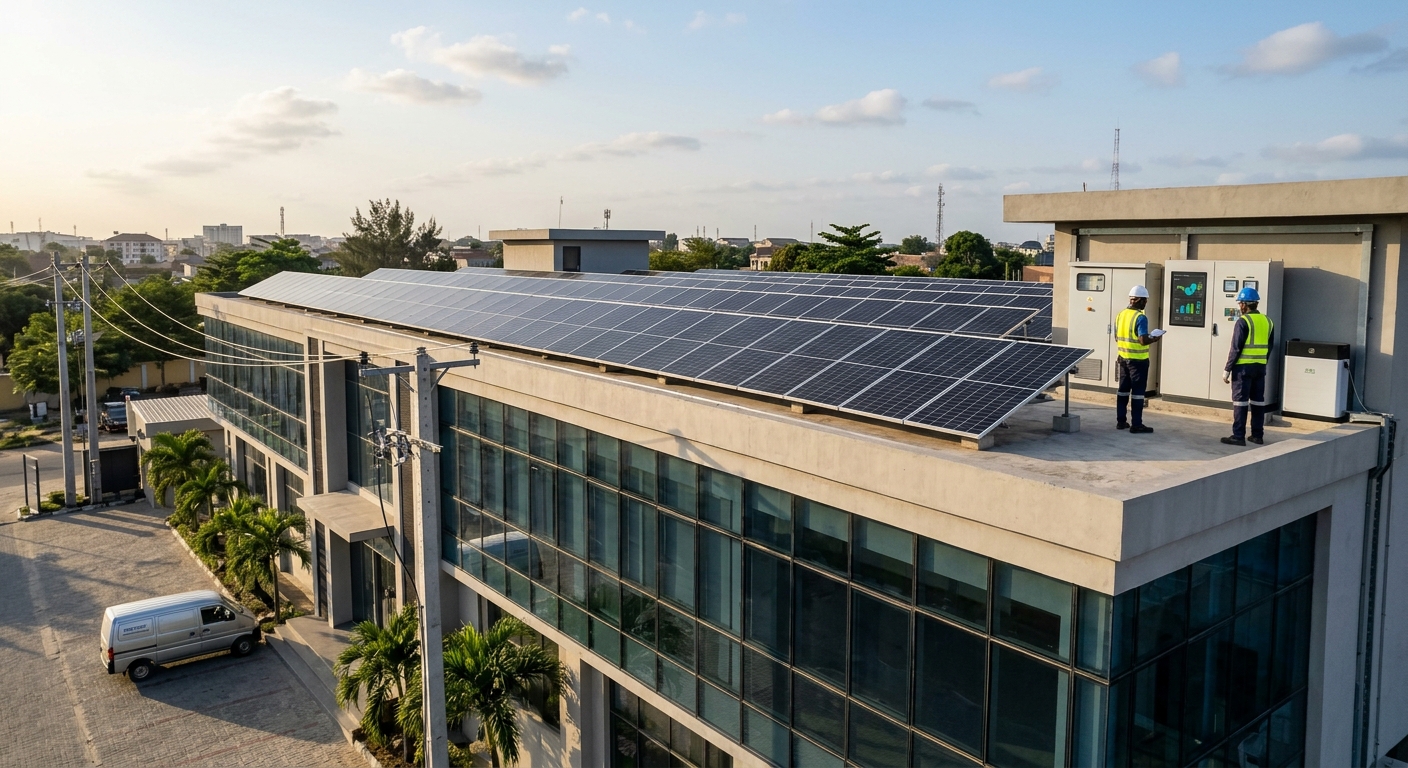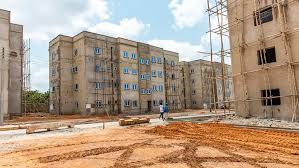

Nigeria’s rising construction costs are pressuring developers delivering multi-storey residential, commercial, and hospitality projects. Beyond rising material prices, currency volatility, expensive financing, and procurement delays make it harder to keep projects on budget.
For developers, the challenge is no longer simply finding cheaper materials. It is deciding what to buy early, what to price-lock and what to leave exposed to future market movements.
BoQ Hedging Versus Forward Purchasing
A bill of quantities (BoQ) provides the cost baseline for a project, detailing material quantities, labour and associated rates. However, it does not automatically protect developers against price escalation.
Contractual cost mitigation involves establishing clear price-adjustment mechanisms, documenting supplier quotations, monitoring cost variations and allocating escalation risks between clients and contractors.
Forward purchasing takes a different approach by securing materials or equipment at agreed prices before anticipated increases occur. This can be particularly useful for reinforcement steel, lifts, transformers, switchgear, chillers and other mechanical, electrical and plumbing (MEP) systems with long procurement lead times.
Neither strategy is sufficient on its own. A BoQ helps quantify and manage exposure, while forward purchasing can reduce exposure to price changes on selected items.
Where Developers Should Focus
1. Reinforcement steel: Framework agreements, scheduled deliveries and negotiated bulk prices can reduce exposure to market fluctuations. Purchases should reflect the construction programme to avoid unnecessary storage and financing costs.
2. MEP equipment: Lifts, generators, transformers and HVAC systems require early technical coordination because extended manufacturing lead times can delay completion. Developers should consider early ordering once specifications are sufficiently established.
3. Imported materials and equipment: Foreign-exchange movements can affect procurement costs between quotation, order placement and final payment. Contracts should clearly identify currency exposure and payment arrangements.
4. Cement and other locally sourced materials: Competitive regional quotations, reliable suppliers and planned deliveries can help control purchasing and logistics costs.
The Cost of Buying Early
Forward purchasing does not automatically produce savings. Developers must compare the expected future price against the full cost of buying now, including financing, storage, insurance, handling and potential wastage.
Early purchases can also create risks when designs change, materials remain unused or suppliers fail to deliver. For this reason, procurement decisions should be based on approved designs, realistic cash-flow forecasts and verified supplier commitments.
The most effective approach is selective procurement: secure prices early for high-value, volatile or long-lead items while preserving flexibility for materials that are readily available or not yet required.
Strengthening Contractual Protection
Developers and contractors should establish clear contractual provisions covering price adjustments, variations, exchange-rate exposure, delivery obligations and responsibility for materials purchased before installation.
A documented escalation mechanism can help parties distinguish genuine market-driven increases from cost overruns caused by design changes, poor planning or material wastage. However, the ability to recover additional costs depends on the applicable contract and governing legal framework.
Monthly reviews of committed expenditure, outstanding procurement, supplier delivery performance and forecast cost at completion can help identify budget pressures before they become funding crises.
A More Disciplined Approach to Construction Costs
For Nigeria’s high-rise construction market, effective cost mitigation requires more than negotiating lower supplier prices. Developers must combine accurate quantity surveying, procurement planning, contractual risk allocation and disciplined cash-flow management.
The objective is not to purchase everything in advance. It is to identify where price certainty and timely delivery justify the cost of early commitment.
For developers operating in a high-inflation environment, that distinction can determine whether a project absorbs manageable cost increases or faces a more serious budget and completion challenge.
Nomarc Industry Insight: Developers should assess every major procurement package against three questions: How exposed is its price to future changes? How critical is its delivery date? And does buying early cost less than the combined financial and operational risks of waiting?