


Nigeria's construction sector continues to face a difficult contradiction: the country has significant housing and infrastructure needs, yet actual demand for construction materials remains constrained by high costs and weak purchasing power.
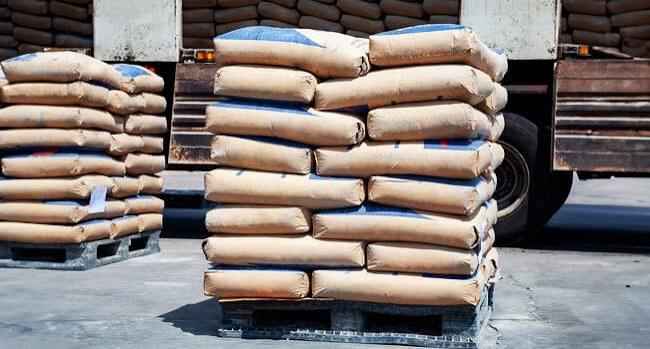
Industry stakeholders say Nigeria's cement consumption per capita remains among the lowest globally, despite the country's large housing deficit and infrastructure requirements.
The issue was highlighted by executives of HBM Nigeria during the Experiencing Panterra event in Lagos, where they pointed to the gap between Nigeria's construction needs and the volume of cement actually consumed.
High Material Costs Continue to Pressure Projects
The low level of consumption is occurring alongside elevated prices for major construction materials.
Market data from Landalyst, updated on September 19, placed prices for several common TMT steel specifications in Lagos at approximately ₦1.04 million to ₦1.07 million per tonne.
The same market tracking recorded Dangote cement at a median price of ₦13,500 per 50kg bag.
However, prices vary significantly by location and supplier. Earlier September reports put cement prices as high as ₦15,000 per 50kg bag in some Nigerian markets.
Logistics costs and poor road infrastructure have also been identified as factors contributing to higher building-material prices, particularly where materials must be transported over long distances.
Construction Demand vs Purchasing Power
The combination of low per-capita cement consumption and elevated material prices points to a wider affordability challenge within Nigeria's construction market.
The country has substantial underlying demand for housing, commercial buildings and infrastructure, but the ability of developers, contractors and households to convert that demand into actual construction activity is constrained by input costs.
For developers, higher material prices can increase project budgets and affect development feasibility. Contractors also face pressure to manage procurement timing, transportation costs, material wastage and changes in project specifications.
What This Means for the Construction Market
The pressure on cement and steel prices means that cost management is becoming increasingly important across the project lifecycle.
Developers may need to monitor material prices more frequently when preparing or updating project budgets, while contractors face greater exposure to procurement and logistics costs between tendering and project execution.
For a market with significant unmet construction demand, the key issue is therefore not simply how much infrastructure and housing Nigeria needs, but how much of that demand can be converted into financially viable projects at current construction costs.
Sources: Punch, Landalyst market intelligence, and Guardian Nigeria.
Nomarc Projects tracks construction costs, infrastructure developments, market activity, and policy changes shaping Nigeria's built environment.